Medical Breakthroughs Are Creating New Market Opportunities
Medical innovation has always shaped the future of healthcare, but its influence now extends far beyond hospitals and research laboratories. Advances in biotechnology, pharmaceuticals, artificial intelligence, and precision medicine are transforming entire industries while creating new opportunities for investors, entrepreneurs, and businesses. As scientific discoveries move from clinical trials to commercial applications, they generate demand across manufacturing, technology, logistics, and financial markets.
The growing connection between healthcare innovation and market growth reflects a broader shift toward knowledge-driven economies. Governments, universities, healthcare providers, and private companies continue investing in research that improves patient outcomes while stimulating economic activity. Understanding how these breakthroughs affect different sectors helps individuals and businesses recognise emerging opportunities in a rapidly evolving global marketplace.
Innovation Is Redefining Healthcare Markets
Medical research is advancing at a remarkable pace thanks to improvements in genetics, molecular biology, and digital technologies. Treatments that once seemed impossible are becoming practical options for patients facing complex diseases. Gene therapies, personalised medicine, and advanced diagnostic tools demonstrate how innovation is changing healthcare delivery while expanding commercial possibilities.
Leading institutions and healthcare organisations consistently emphasise that collaboration between researchers, pharmaceutical companies, and technology firms accelerates medical progress. As new treatments reach the market, they create demand for specialised manufacturing facilities, laboratory equipment, software platforms, and highly skilled professionals. This interconnected ecosystem supports sustained economic growth beyond the healthcare sector itself.
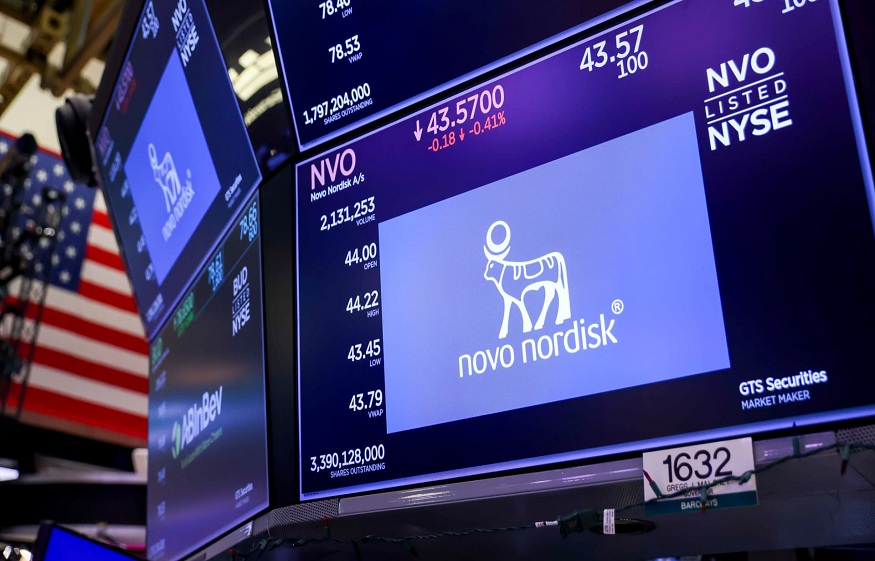
For investors following healthcare developments, monitoring companies involved in groundbreaking research has become increasingly important. Many market participants examine businesses developing innovative therapies alongside related investment opportunities such as novob stock, recognising that scientific progress often influences long-term company performance and broader market sentiment.
Technology Is Accelerating Medical Discoveries
Artificial intelligence has become an essential tool in modern healthcare research. Machine learning algorithms help researchers analyse complex biological data, identify potential drug candidates, and improve diagnostic accuracy. These technologies reduce development timelines while enabling scientists to make more informed decisions throughout the research process.
Digital health platforms are also changing how patients interact with healthcare providers. Remote monitoring devices, wearable technology, and virtual consultations improve access to care while generating valuable health data. These innovations support preventive medicine, enhance patient engagement, and create new business models for healthcare providers and technology companies alike.
Cloud computing, automation, and advanced analytics continue to strengthen healthcare infrastructure worldwide. Pharmaceutical companies can process enormous datasets more efficiently, hospitals can optimise patient care, and researchers can collaborate across international borders. Together, these technological advances create investment opportunities in both healthcare and supporting technology sectors.
The Expanding Role of Biotechnology
Biotechnology remains one of the strongest drivers of medical innovation. Companies specialising in genetic engineering, cell therapy, and biologic medicines are addressing diseases that previously had limited treatment options. Their research has the potential to improve quality of life while opening entirely new commercial markets.
The growing demand for personalised medicine reflects an important shift in healthcare. Rather than relying on standardised treatments, healthcare professionals increasingly tailor therapies based on an individual’s genetic profile and medical history. This personalised approach may improve treatment effectiveness while encouraging continued investment in diagnostic technologies and specialised pharmaceutical development.
Biotechnology also influences industries beyond medicine. Agricultural science, environmental sustainability, and industrial manufacturing increasingly benefit from biological research. As biotechnology applications expand, investors often evaluate companies based on their scientific capabilities, intellectual property portfolios, and long-term research potential rather than short-term product cycles alone.
Investment Trends Follow Scientific Progress
Financial markets frequently respond to major medical breakthroughs because successful innovations can reshape entire industries. Investors often pay close attention to regulatory approvals, clinical trial outcomes, and research partnerships that signal future commercial potential. While healthcare investing carries uncertainty, innovation continues to attract long-term interest across global markets.
Diversification remains an important principle when exploring healthcare-related investments. Financial professionals generally encourage balancing established healthcare companies with emerging innovators while considering broader economic conditions. This measured approach allows investors to participate in growth opportunities without relying entirely on a single technology or company.
Understanding the scientific foundation behind medical innovation helps investors make more informed decisions. Rather than reacting solely to headlines, experienced market participants often evaluate research quality, development pipelines, competitive advantages, and regulatory environments before assessing investment opportunities within the healthcare sector.
Challenges That Shape Future Opportunities
Medical innovation requires significant investment, rigorous testing, and careful regulatory oversight. Developing new therapies often involves years of research before products become commercially available. Although this process can be lengthy, it helps ensure treatments meet high standards for safety and effectiveness, reinforcing public confidence in healthcare advancements.
Healthcare accessibility remains another important consideration. Scientific breakthroughs achieve their greatest impact when patients can benefit from them regardless of geographic location or economic circumstances. Governments, healthcare systems, and private organisations continue exploring ways to expand access while maintaining sustainable healthcare delivery models.
Conclusion
Medical breakthroughs are reshaping healthcare while creating meaningful opportunities across technology, finance, manufacturing, and research. Innovation no longer exists in isolation, as advances in one field frequently generate growth throughout connected industries. Businesses, researchers, and investors who understand these relationships are better prepared to recognise emerging trends before they become mainstream.
As healthcare continues evolving through scientific discovery and technological progress, the opportunities created will likely extend well beyond traditional medicine. Staying informed, evaluating developments thoughtfully, and maintaining a long-term perspective can help individuals and organisations navigate an increasingly innovative healthcare landscape with greater confidence.













Post Comment
You must be logged in to post a comment.